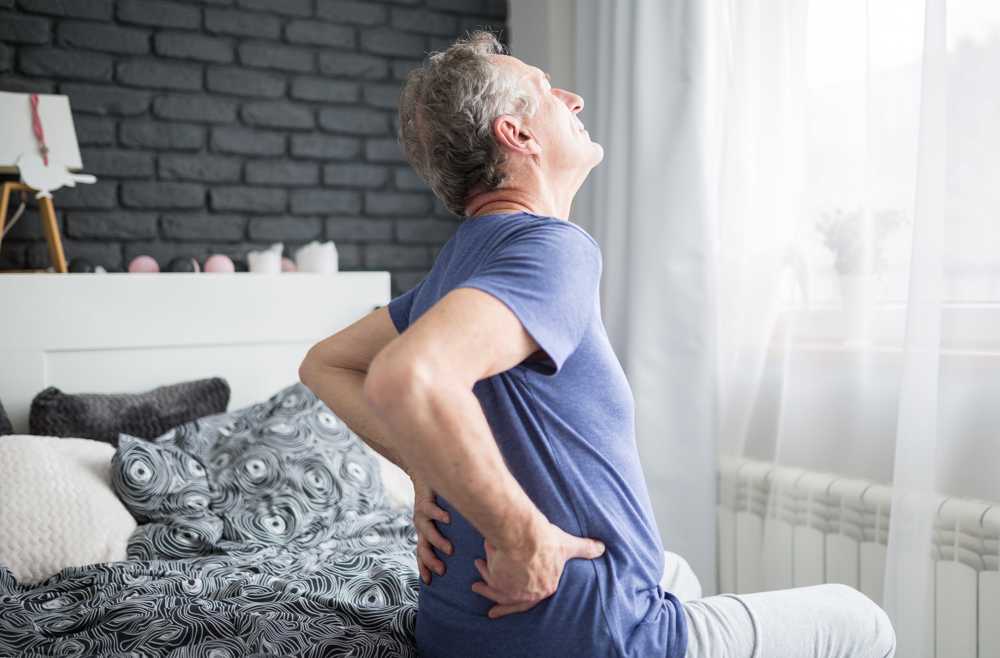
Lower back pain is one of the most common reasons people seek medical attention or miss work. It affects people of all ages, activity levels, and lifestyles. For some, lower back pain appears suddenly after lifting something heavy or making an awkward movement.
For others, it develops slowly over time due to posture, daily habits, or ongoing stress on the spine. Lower back pain can interfere with everyday activities such as sitting, standing, walking, or sleeping.
While it is often uncomfortable and frustrating, many cases can improve with proper understanding, consistent care, and healthy movement habits. Learning what causes lower back pain and how to manage it is the first step toward long-term comfort and improved spinal health.
What Is Lower Back Pain?
Lower back pain refers to discomfort, tightness, or soreness in the lumbar region of the spine. This area, situated between the rib cage and the pelvis, plays a crucial role in supporting body weight and facilitating movement. The lower back plays a crucial role in activities such as bending, twisting, lifting, and maintaining balance.
Because the lower spine carries a significant amount of responsibility, it is more susceptible to strain or irritation. Lower back pain can range from dull and achy to sharp and intense. It may stay in one area or spread into the hips or legs, depending on the cause.
Lower back pain is common because the lumbar spine is constantly under pressure during daily activities. Sitting at a desk, standing for long periods, lifting objects, and even walking all place stress on the lower back. Over time, repeated movements and poor body mechanics can lead to discomfort.
Modern lifestyles also contribute to the rise in lower back pain. Long hours of sitting, reduced physical activity, and increased screen use can weaken muscles that support the spine. When these muscles are not strong enough to stabilize the lower back, pain is more likely to develop.
What Structures Are Involved in Lower Back Pain?
The lower back is composed of several key structures that work together to provide stability and mobility.
These include:
- Five lumbar vertebrae form the lower portion of the spine
- Spinal discs act as cushions between the vertebrae
- Muscles and ligaments that support posture and movement
- Nerves that carry signals between the brain and body
Lower back pain can occur when any of these structures become strained, inflamed, compressed, or irritated.
What Is the Difference Between Acute and Chronic Lower Back Pain?
Understanding the type of lower back pain you are experiencing can help guide treatment decisions.
Acute lower back pain typically begins suddenly and usually lasts a few days to a few weeks. It is often caused by muscle strain, lifting injuries, or sudden movements. Acute pain typically improves with rest, gentle movement, and home care.
Chronic lower back pain lasts longer than twelve weeks. It may be related to long-term conditions such as disc wear, arthritis, or repeated stress on the spine. Chronic lower back pain often requires ongoing management rather than quick fixes.
What Are the Most Common Causes of Lower Back Pain?
Lower back pain does not have a single cause. It often results from a combination of physical stress, movement habits, and lifestyle factors.
1. Muscle Strain
Muscle strain is one of the most frequent causes of lower back pain. It can happen when muscles or ligaments are overstretched or torn due to improper lifting, sudden twisting, or repetitive movement.
Even simple activities such as bending forward incorrectly or lifting an object that is too heavy can strain the lower back. When muscles become strained, they can tighten and spasm, resulting in pain and limited mobility.
2. Disc Problems
Spinal discs play an important role in cushioning the vertebrae. Over time, discs can wear down, bulge, or shift out of place. When this happens, nearby nerves may become irritated.
Disc-related lower back pain may be accompanied by tingling, numbness, or pain that travels into the hips or legs. This type of discomfort can vary in intensity and may worsen with certain movements.
3. Poor Posture
Poor posture places uneven stress on the spine and supporting muscles. Sitting with rounded shoulders, slouching, or leaning forward for long periods can strain the lower back.
Over time, poor posture weakens core muscles and forces the lower back to work harder than it should. This imbalance increases the risk of stiffness, fatigue, and ongoing lower back pain.
4. Sitting Too Much
Extended sitting is a major contributor to lower back pain. When sitting for long periods, especially without proper support, the muscles of the lower back become inactive. This reduces blood flow and increases stiffness.
Sitting also places pressure on the spinal discs. Without regular movement, this pressure can lead to discomfort and reduced flexibility in the lower back.
5. Arthritis
Arthritis can affect the joints of the spine, causing stiffness, swelling, and a reduced range of motion. As joints lose flexibility, everyday movements can become uncomfortable.
Age-related changes in the spine also reduce the ability of discs to absorb shock. This increased pressure on the lower back can lead to ongoing pain and stiffness, especially during movement.
6. Lifestyle
Lifestyle choices play a significant role in the development of lower back pain. Excess body weight increases pressure on the lumbar spine.
Lack of physical activity weakens muscles that support the lower back. High stress levels can lead to muscle tension that worsens discomfort.
Together, these factors can increase the frequency and severity of lower back pain, making it harder to manage without changes in daily habits.
What At-Home Remedies Help With Lower Back Pain?
Many cases of lower back pain can be alleviated with simple home care strategies. Heat therapy can help relax tight muscles and improve circulation. Cold therapy may reduce inflammation during the early stages of pain.
Gentle stretching helps maintain flexibility and reduce stiffness.
Staying lightly active with short walks is often more helpful than prolonged bed rest, which can weaken muscles and slow recovery.
How Does Movement Help Relieve Lower Back Pain?
Movement plays a key role in managing lower back pain. Gentle activity keeps muscles flexible and supports blood flow to the affected area.
Walking, light stretching, and low-impact exercise help prevent stiffness and reduce muscle tension. Movement also helps maintain strength in the muscles that support the lower back.
What Lifestyle Changes Can Reduce Lower Back Pain?
Small adjustments in daily habits can make a meaningful difference.
Using proper lifting techniques protects the lower back from sudden strain. Improving posture while sitting and standing reduces uneven pressure on the spine. Maintaining a healthy weight reduces stress on the lumbar region.
Consistency with these habits supports long-term relief from lower back pain.
What Non-Surgical Treatments Help With Lower Back Pain?
Non-surgical care is often effective in managing lower back pain without the need for medication or invasive procedures.
Physiotherapy focuses on improving movement, flexibility, and strength. Chiropractic care focuses on spinal alignment and joint mobility. Supportive therapies may help reduce muscle tension and promote healing in chronic cases.
These approaches are often used in conjunction to create a comprehensive care plan.
When Should You Seek Professional Care for Lower Back Pain?
Professional care may be necessary if lower back pain persists or fails to improve after several weeks of home care. Worsening pain, limited mobility, or discomfort that interferes with daily life should be evaluated.
Immediate attention is important if lower back pain is accompanied by numbness, weakness, or changes in bladder or bowel control.
How Can Lower Back Pain Be Prevented?
Prevention focuses on strengthening the body and reducing daily stress on the spine.
1. Ergonomic Habits
Ergonomic habits support proper posture and reduce strain on the lower back. Using a chair with lumbar support, positioning screens at eye level, and keeping feet flat on the floor all help maintain spinal alignment.
Taking regular breaks to stand and stretch helps prevent stiffness and reduces pressure on the lower back during prolonged periods of sitting.
2. Core Strength
Core muscles support the spine and help distribute weight evenly during movement. When these muscles are strong, the lower back does not have to work as hard to maintain stability.
Exercises that focus on balance, flexibility, and controlled movement help protect against recurring lower back pain.
3. Regular Exercise
Regular exercise enhances circulation, promotes joint health, and tones muscles throughout the body. Activities such as walking, swimming, and gentle strength training support long-term lower back health.
Consistency matters more than intensity. Even moderate daily movement can reduce the risk of ongoing lower back pain.
Conclusion
Lower back pain is often the result of muscle strain, posture issues, disc problems, or lifestyle factors. Relief usually comes from a combination of movement, home care, and non-surgical treatment options.
Preventive habits, such as regular exercise, ergonomic support, and healthy movement patterns, are essential for maintaining spinal comfort and reducing the likelihood of future episodes of lower back pain.
At Cedar Crest Chiropractic, we help patients manage lower back pain through personalized, non-surgical care. Our approach focuses on enhancing movement, promoting spinal alignment, and addressing daily habits that contribute to discomfort.
If lower back pain is affecting your comfort, mobility, or quality of life, our team can develop a care plan designed to support long-term spinal health and everyday function.
FAQs
What causes lower back pain most often?
Lower back pain is commonly caused by muscle strain, poor posture, or repetitive movements. Disc issues and daily lifestyle habits can also contribute over time.
How long does lower back pain usually last?
Mild lower back pain often improves within a few days or weeks with proper care and movement. Pain that lasts longer than twelve weeks is considered chronic and may need professional evaluation.
Is exercise safe when you have lower back pain?
Yes, gentle exercise can help reduce lower back stiffness and improve strength. Activities like walking and stretching can be beneficial when done carefully.
Can sitting too much make lower back pain worse?
Yes, long periods of sitting can weaken muscles and increase pressure on the lower spine. Taking regular breaks to stand and move helps reduce lower back pain.
When should lower back pain be checked by a professional?
You should seek care if lower back pain persists or interferes with your daily activities after a few weeks. Immediate attention is needed if pain includes numbness, weakness, or bladder or bowel changes.