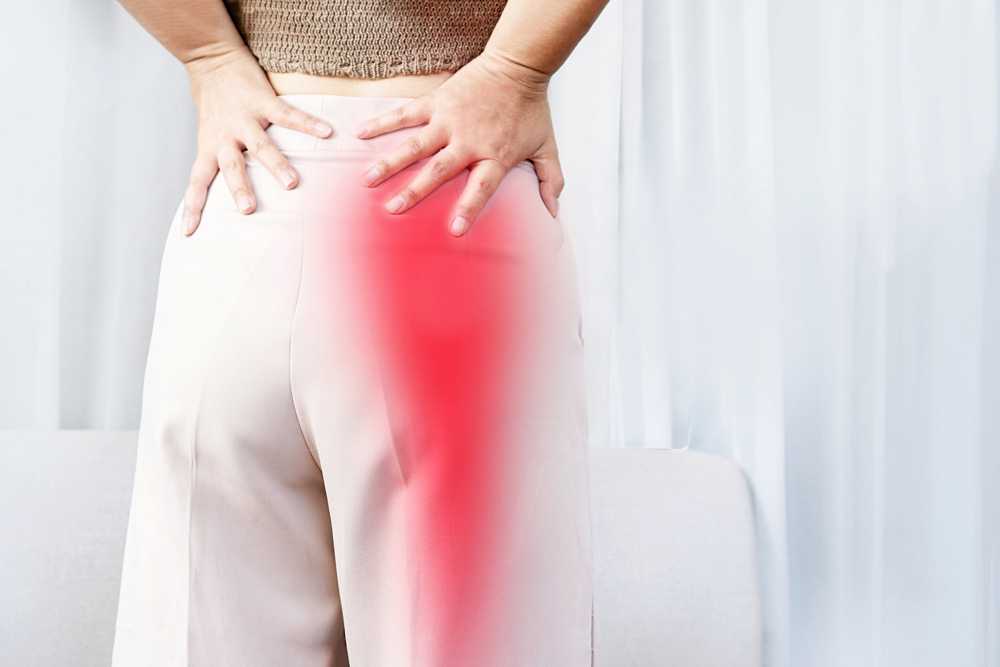
Sciatica is a common source of lower back and leg pain that affects people of all ages. Many individuals first notice sciatica when pain starts in the lower back or buttocks and travels down one leg.
While sciatica is often referred to as a condition, it is actually a collection of symptoms caused by irritation or pressure on the sciatic nerve. Understanding how sciatica develops, what it feels like, and how it can be treated without surgery can help you take control of your recovery and avoid long-term discomfort.
What Is Sciatica?
Sciatica refers to pain and nerve-related symptoms that follow the path of the sciatic nerve. The sciatic nerve begins in the lower spine, travels through the hips and buttocks, and runs down each leg.
Because it is the longest nerve in the body, irritation in one area can cause symptoms far from the site of origin. Sciatica typically affects only one side of the body, although it can involve both sides in some cases.
The pattern of pain is one of the most important clues when identifying sciatica.
How Is Sciatica Different From Regular Back Pain?
Not all lower back pain is sciatica. Muscle strain, joint stiffness, and ligament issues often cause persistent pain in the lower spine. Sciatica differs because it involves nerve irritation, rather than muscle tension alone.
With sciatica, pain often spreads beyond the lower back into the buttock, thigh, calf, or foot. This radiating pattern is a key sign that the sciatic nerve is involved.
What Is the Sciatic Nerve and Why Is It Important?
The sciatic nerve is formed from several nerve roots in the lumbar spine. These nerve roots exit the spine and send signals between the brain and the legs. When one or more of these nerve roots are compressed or inflamed, sciatica symptoms can occur.
Because the sciatic nerve controls both sensation and muscle movement, problems affecting this nerve can lead to pain, numbness, tingling, or weakness in the leg.
What Are the Common Symptoms of Sciatica?
Sciatica symptoms can vary in intensity and duration. Some people experience mild discomfort, while others deal with severe pain that interferes with daily activities.
1. Sciatica Pain
Sciatica pain often begins in the lower back or buttocks and travels downward through the leg. It may feel sharp, burning, aching, or electric. Some people describe sciatica pain as sudden or shock-like.
Pain may worsen with activities such as sitting, bending forward, coughing, or lifting. Others notice relief when standing or walking.
2. Tingling or Numbness
Tingling and numbness are common symptoms of sciatica. Many people experience a pins-and-needles sensation in the leg, foot, or toes. These sensations occur when nerve signals are disrupted by pressure or irritation.
3. Muscle Weakness
In more advanced cases, sciatica can lead to muscle weakness in the affected leg. This may make it difficult to lift the foot, climb stairs, or maintain balance. Muscle weakness suggests that the nerve is not functioning properly and should be evaluated by a professional.
What Causes Sciatica?
Sciatica develops when something places pressure on the nerve roots that form the sciatic nerve. Several structural and lifestyle factors can contribute to this pressure.
1. Herniated or Bulging Disc
A herniated or bulging disc is one of the most common causes of sciatica. Spinal discs sit between the bones of the spine and act as cushions. When a disc bulges or ruptures, it can press against nearby nerve roots.
This pressure often leads to sciatica pain that radiates down the leg, especially when sitting or bending forward.
2. Spinal Stenosis
Spinal stenosis occurs when the spinal canal narrows, reducing the space available for nerves. This narrowing can compress the nerve roots associated with the sciatic nerve.
People with sciatica related to spinal stenosis may experience leg pain or numbness that worsens with standing or walking and improves when sitting.
3. Piriformis Syndrome and Its Connection to Sciatica?
Piriformis syndrome occurs when the piriformis muscle in the buttocks irritates the sciatic nerve. This muscle helps rotate the hip, and when it becomes tight or inflamed, it can place pressure on the nerve.
Piriformis-related sciatica often causes pain in the buttocks that travels down the leg and may worsen with sitting.
4. Posture and Daily Habits
Posture and daily habits play a major role in sciatica. Long hours of sitting, poor posture, weak core muscles, and improper lifting techniques can all contribute to increased stress on the lower spine.
Over time, these factors can contribute to disc problems or muscle imbalances that lead to sciatica symptoms.
How Is Sciatica Diagnosed?
Sciatica is usually diagnosed through a review of symptoms, a physical examination, and sometimes imaging studies. A provider will ask about pain patterns, movement limitations, and activities that exacerbate or alleviate symptoms.
Physical tests may be used to evaluate nerve function, muscle strength, and flexibility. Imaging is typically reserved for severe or long-lasting sciatica.
What Are Non-Surgical Treatment Options for Sciatica?
Most people with sciatica experience improvement without the need for surgery. Non-surgical treatment focuses on relieving nerve pressure, restoring movement, and reducing the risk of future episodes.
1. At Home Care
At-home care is often the first step in managing sciatica. Heat or cold therapy may help reduce pain and muscle tension. Short walks can improve circulation and prevent stiffness.
Avoiding prolonged sitting and heavy lifting is also important during sciatica flare-ups.
2. Exercises and Stretches
Gentle stretching and strengthening exercises can reduce pressure on the sciatic nerve. Stretching the hips, hamstrings, and lower back can improve flexibility and reduce tension.
Strengthening the core muscles helps support the spine and reduce strain on the lower back. Low-impact activities such as walking or swimming are often well tolerated.
3. Chiropractic Care
Chiropractic care focuses on improving spinal alignment and joint mobility. When the spine moves properly, pressure on irritated nerves may decrease.
Many people with sciatica benefit from chiropractic adjustments combined with exercise guidance and posture education.
What Is Spinal Decompression Therapy?
Spinal decompression therapy is a non-invasive treatment that gently stretches the spine to relieve pressure on the nerves. This creates space between spinal bones and reduces pressure on discs and nerve roots.
For disc-related sciatica, spinal decompression therapy may help reduce nerve irritation and support healing.
How Does Physiotherapy Support Long-Term Sciatica Relief?
Physiotherapy plays a crucial role in the long-term management of sciatica. A structured plan focuses on strength, flexibility, posture, and movement patterns.
By addressing the underlying causes, physiotherapy can help reduce pain and prevent recurring sciatica episodes.
When Should You Seek Professional Care for Sciatica?
You should seek care if sciatica persists for longer than a few weeks, causes increasing weakness or numbness, or significantly interferes with your daily activities. Loss of bladder or bowel control requires immediate medical attention.
Conclusion
Sciatica can be painful and disruptive, but it does not have to control your life. With the right combination of non-surgical care, movement, and lifestyle changes, many people experience lasting relief.
At Cedar Crest Chiropractic, we provide non-surgical sciatica care for patients in Allentown, PA. Our approach includes chiropractic care, physiotherapy, and spinal decompression therapy focused on addressing the root cause of sciatica and supporting long-term recovery.
If sciatica is affecting your daily activities, professional care may help you move with greater comfort and confidence.
FAQs
What is sciatica, and how do you recognize it?
Sciatica is a nerve-related pain that originates in the lower back or buttocks and radiates down one leg. It is often characterized by radiating pain, tingling, numbness, or weakness along the path of the sciatic nerve.
How long does sciatica usually last?
Sciatica can last anywhere from a few days to several weeks, depending on the underlying cause and the chosen treatment approach. Mild sciatica typically improves with conservative care, while more severe cases may require longer treatment.
Can sciatica be treated without surgery?
Yes, most cases of sciatica improve with non-surgical treatments such as chiropractic care, physiotherapy, exercise, and spinal decompression therapy. Surgery is usually considered only when symptoms do not improve or nerve damage is present.
Is sitting bad for sciatica?
Prolonged sitting can increase pressure on the sciatic nerve and worsen sciatica symptoms. Taking regular breaks and maintaining proper posture can help reduce discomfort.
What is the best way to prevent sciatica from coming back?
Preventing sciatica often involves staying active, strengthening core muscles, and maintaining good posture. Proper lifting techniques and avoiding long periods of sitting can also reduce the risk of recurrence.