A disc diagnosis sounds frightening, and many people assume it means injections or surgery. For most disc problems, gentle conservative care is the right first step.

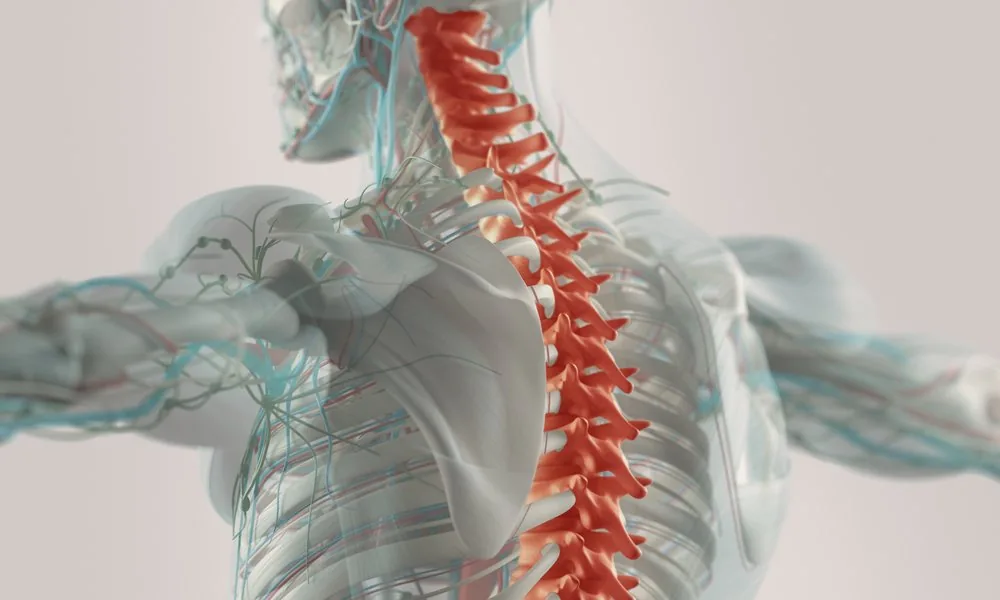
The discs between your vertebrae are cushions with a tough outer ring and a soft center. When the outer ring weakens, the center can push outward (a bulge) or through it (a herniation). If that pushes against a nerve root, you get pain that travels: down the leg from a low back disc, or down the arm from a neck disc. Numbness, tingling and weakness can come with it.
Here is the part people are rarely told. Many adults have disc bulges on an MRI and no pain at all, and most painful disc episodes improve without surgery. The disc is part of a moving system, and when the joints around it move properly and the load on it is reduced, the irritation usually settles.
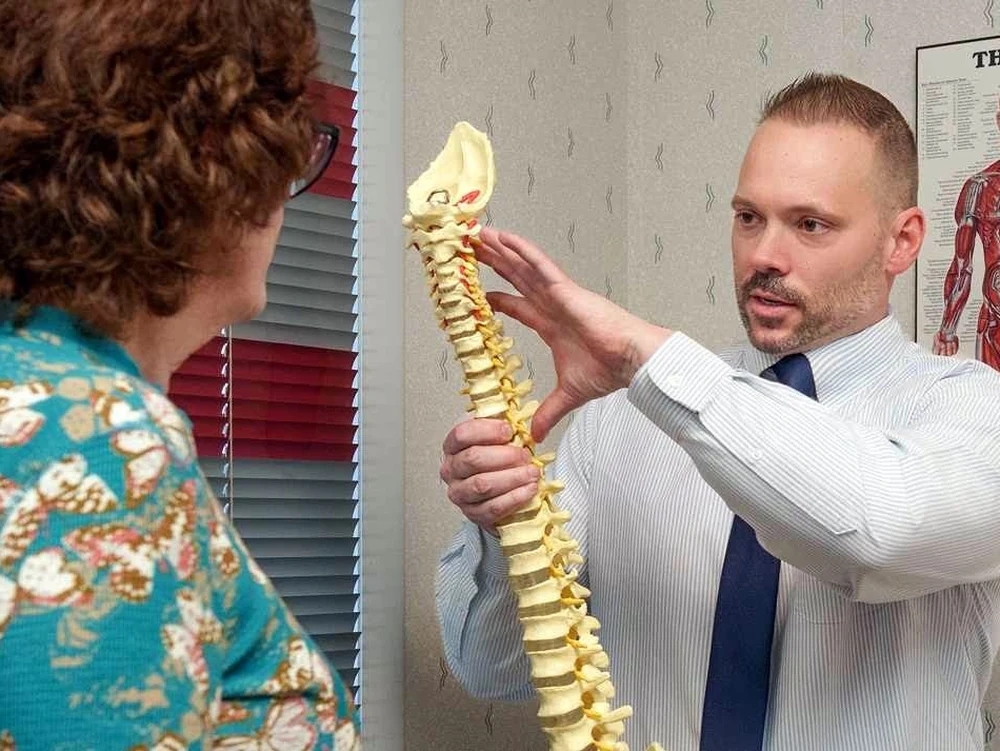
A detailed exam, including nerve testing, to see which level is involved and how irritated the nerve is. If you have an MRI, bring it. If you need one, Dr. Petrilak will say so.
Twisting adjustments are not what an irritated disc needs. The Activator Method delivers a controlled low-force impulse to restore motion in the joints above and below without loading the disc.
Disc problems respond over weeks, not minutes. You will know what the plan is, how progress is measured and when a referral would be the right move.

Dr. Petrilak will want to know exactly how your symptoms behave: what position makes the leg or arm pain worse, what eases it, and whether anything has changed in strength or sensation. The exam checks reflexes, strength and nerve tension along with spinal motion.
Care is gentle and built around taking pressure off the irritated nerve. You will also learn which positions and activities to avoid while the disc settles. Patients with significant or worsening weakness are referred appropriately rather than treated here.
"I came in with numbness and tingling in my left arm and leg, plus lower back pain. After a month of visits my pain is gone in most areas and minimal in the rest. I can move freely again. Dr. Allan is patient, listens, and explains everything he does during adjustments. I highly recommend going here."
Straight answers to the questions we hear most. If yours is not here, call us and we will help.
With a proper exam and a low-force technique, yes. Dr. Petrilak uses the Activator Method, which does not twist the spine. The exam comes first specifically so care is matched to what your spine can tolerate, and patients who need a surgical opinion are told so.
Many do. The body gradually reabsorbs disc material and the nerve irritation calms as pressure comes off. Surgery is reserved for cases with progressive weakness or pain that does not respond to conservative care over time.
Not usually. The exam gives a clear picture in most cases. An MRI is requested when findings suggest significant nerve involvement, when symptoms are not improving as expected or when a referral is being considered.
A bulge is the disc pushing outward with its outer ring intact. A herniation is disc material pushing through a tear in that ring. Both can irritate a nerve, and both are commonly treated conservatively first.
No forced long-term contracts. Just an accurate diagnosis and care built around you. Call today or request an appointment and we'll take it from there.