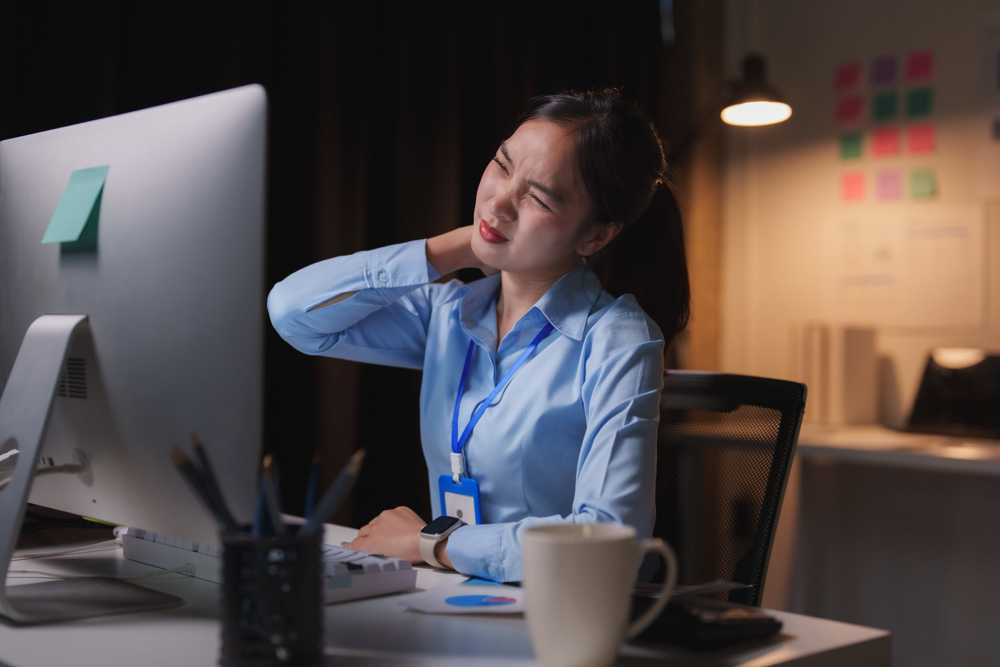
Neck pain has become one of the most common physical complaints among adults today. Many people experience neck pain at some point during their lives, and for some, it becomes a recurring or long-term issue.
Modern lifestyles have altered how people work, rest, and move, placing new demands on the neck and spine. Long hours spent at desks, frequent phone use, and limited physical activity all contribute to poor posture, which significantly affects neck pain.
Understanding how posture affects the neck helps explain why neck pain is so widespread. It also provides a clear path toward relief and prevention.
When posture improves, pressure on the cervical spine decreases, muscles work more efficiently, and neck pain becomes easier to manage.
Why Is Neck Pain So Common in Modern Life?
Neck pain is more common today because daily habits place constant stress on the neck. Many jobs require people to sit for long periods while looking at screens. At home, people often relax by scrolling on their phones or watching television in positions that strain their necks.
These habits encourage forward head posture and rounded shoulders, which increase tension in the neck muscles. Unlike short bursts of activity, prolonged poor posture keeps the neck in a stressed position for hours at a time.
Over time, this can lead to stiffness, soreness, and persistent neck pain. The problem is not usually a single injury, but rather a repeated strain that builds up slowly.
What Is the Cervical Spine and How Does It Affect Neck Pain?
The cervical spine is the upper portion of the spine located in the neck. It is composed of seven vertebrae that support the head and protect the spinal cord and its surrounding nerves.
These vertebrae are supported by muscles, ligaments, and joints that allow the neck to move while maintaining stability. The head weighs about ten to twelve pounds when properly aligned.
However, when the head moves forward, the effective weight placed on the cervical spine increases. This extra load forces the neck muscles to work harder to maintain the head’s upright position.
Over time, this strain contributes to muscle fatigue, joint irritation, and neck pain.
How Does Head Position Influence Neck Pain?
Head position plays a critical role in neck pain. When the head sits directly over the shoulders, the neck muscles can support it with minimal effort. When the head moves forward, even slightly, the muscles at the back of the neck must work harder to counterbalance the shift.
This forward positioning often happens during phone use, computer work, and reading. Many people are unaware that their head is drifting forward, especially when they are focused on a screen.
Maintaining this position for extended periods can increase tension in the neck and upper back, leading to discomfort and a reduced range of motion.
How Has Technology Contributed to Neck Pain?
Technology has changed posture habits more than any other factor. Smartphones, laptops, and tablets encourage people to look down instead of straight ahead. This repeated motion trains the body to adopt a forward head position as the new normal.
Over time, muscles adapt to this position by tightening in some areas and weakening in others. The result is poor posture that places constant stress on the neck. Many people begin experiencing neck pain without realizing that technology use is a major contributor.
What Is Tech Neck and Why Does It Cause Neck Pain?
Tech neck refers to neck pain caused by frequent downward head positioning during device use. This posture places extra strain on the cervical spine and surrounding muscles. The muscles at the back of the neck become overworked, while muscles in the front of the neck may weaken.
As this imbalance develops, the neck loses its natural support system. Pain, stiffness, and reduced mobility often follow. Tech neck can also contribute to shoulder tension and upper back discomfort, making neck pain feel more widespread.
Can Desk Jobs Lead to Chronic Neck Pain?
Desk jobs are a leading cause of neck pain. Sitting for long hours without maintaining proper posture can cause stress on the neck and shoulders. Many workstations are set up in ways that encourage slouching, such as monitors placed too low or chairs that do not provide proper support.
Even with ergonomic equipment, prolonged periods of sitting without movement can lead to stiffness. Muscles that are not used regularly become tight and weak, increasing the likelihood of neck pain. Regular posture checks and movement breaks are crucial for individuals who spend their days at desks.
How Does Sitting Posture Affect Neck Pain?
Sitting posture affects the alignment of the entire spine. When the lower back slouches, the upper back rounds, and the head moves forward. This chain reaction places strain on the neck as it tries to support the shifted head position.
Poor sitting posture also restricts blood flow to muscles, which can lead to increased fatigue and discomfort. Over time, this contributes to chronic neck pain, making it harder for muscles to recover.
Can Sleep Habits Contribute to Neck Pain?
Sleep habits play a crucial role in managing neck pain. Spending six to eight hours each night in a poor position can strain the neck just as much as poor daytime posture.
Sleeping on the stomach often forces the neck to twist to one side, placing stress on joints and muscles. Pillows that are too high, too flat, or unsupportive can also affect alignment.
When the neck is not properly supported during sleep, muscles remain tense, which can lead to morning stiffness and ongoing neck pain.
What Is the Best Sleep Position for Neck Pain?
For many people, sleeping on the back or side provides the best support for the neck. These positions allow the spine to remain more neutral. A pillow that supports the natural curve of the neck helps reduce muscle strain.
While sleep position alone may not eliminate neck pain, improving sleep posture can reduce overnight stress on the neck and support healing.
How Does Stress Make Neck Pain Worse?
Stress often leads to muscle tension, especially in the neck and shoulders. When people feel stressed, they may unconsciously clench their jaw, raise their shoulders, or tighten their neck muscles. This tension limits movement and increases discomfort.
When stress is combined with poor posture, neck pain can become more frequent and intense. Managing stress through movement, stretching, and relaxation helps reduce muscle tension and supports better neck health.
What Are the Long-Term Effects of Poor Posture on the Neck?
Poor posture affects the neck over time. Muscles that are constantly overworked become fatigued and less effective at providing support. Weak muscles allow joints to move improperly, increasing wear and tear on the cervical spine.
Over time, poor posture can lead to chronic neck pain, reduced mobility, and irritation of nearby nerves. Some people experience pain that travels into the shoulders, arms, or upper back as posture-related issues worsen.
Can Poor Posture Cause Headaches Along With Neck Pain?
Poor posture is closely linked to tension headaches. Tight neck muscles and misalignment can irritate nerves near the base of the skull. This irritation often leads to headaches that begin in the neck and spread upward.
People who experience both neck pain and frequent headaches often find relief when posture improves and muscle tension decreases.
What Daily Habits Commonly Trigger Neck Pain?
Several daily habits contribute to neck pain. Looking down at a phone for long periods, holding a laptop on the lap, and driving with the head pushed forward are common examples. Carrying heavy bags on one shoulder can also strain the neck.
Becoming aware of these habits is an important step toward reducing neck pain. Small adjustments throughout the day can add up to meaningful improvement.
What Ergonomic Changes Help Reduce Neck Pain?
Simple ergonomic adjustments can significantly reduce neck pain. Positioning screens at eye level helps keep the head aligned over the shoulders. Sitting with feet flat on the floor and back supported encourages better spinal alignment.
Taking breaks every thirty to forty-five minutes to stand, stretch, and reset posture helps prevent muscle fatigue. These adjustments reduce strain and allow the neck to move more naturally.
How Does Movement Help With Neck Pain?
Movement is essential for neck health. Staying in one position for too long can increase stiffness and reduce circulation to the muscles. Gentle movement helps muscles stay flexible and improves blood flow.
Incorporating short movement breaks throughout the day helps prevent neck pain from building up. Simple actions, such as standing, rolling your shoulders, or gently turning your head, can make a difference.
What Exercises Support Better Neck Posture?
Posture-focused exercises help support the neck and reduce pain. Chin tucks strengthen the deep neck muscles that help maintain proper head alignment. Shoulder blade exercises enhance upper back support, thereby reducing strain on the neck.
Stretching tight muscles also helps restore balance. Regular exercise enhances posture awareness and helps prevent recurring neck pain.
Are Non-Surgical Treatments Effective for Neck Pain?
Many people find relief from neck pain through non-surgical treatments. These approaches focus on restoring movement, improving alignment, and reducing muscle tension. Chiropractic care works to improve spinal alignment and joint motion.
Physiotherapy focuses on strengthening, stretching, and posture training. Cold laser therapy may help reduce discomfort and support tissue recovery. These treatments are often combined for better long-term results.
When Should Neck Pain Be Evaluated by a Professional?
Neck pain should be evaluated if it lasts longer than two weeks, worsens over time, or spreads into the arms. Numbness, tingling, or weakness may also indicate the need for professional care.
Early evaluation helps identify posture-related issues before they become more serious. Addressing neck pain early often leads to better outcomes and shorter recovery times.
How Can Posture Awareness Help Reduce Neck Pain in the Long Term?
Posture awareness is crucial for achieving long-term relief from neck pain. Being mindful of head position during daily activities helps prevent strain. Adjusting your posture throughout the day can help reduce the stress placed on your neck.
Over time, consistent posture awareness trains the body to adopt healthier positions naturally. This reduces the likelihood of recurring neck pain.
Conclusion
Neck pain is a common result of modern lifestyles, but it does not have to be permanent. Posture plays a significant role in how the neck feels and functions, and small daily habits can either add strain or contribute to long-term comfort. When alignment improves, the cervical spine moves more freely, and neck pain becomes easier to manage.
If neck pain is affecting your daily life, working with a trusted chiropractor can make a meaningful difference. Contact Cedar Crest Chiropractic to discover how our experienced chiropractor can help address posture issues, relieve neck pain, and promote better spinal health, allowing you to move and feel better with confidence.
FAQs
What is the most common cause of neck pain?
The most common cause of neck pain is poor posture from prolonged sitting and frequent screen use. These habits place extra strain on neck muscles and joints over time.
Can neck pain be caused by posture alone?
Yes, posture alone can lead to neck pain when the head sits forward of the shoulders for long periods. This position increases muscle tension and stress on the cervical spine.
How long does posture-related neck pain usually last?
Posture-related neck pain can last for weeks or longer if daily habits do not change. With consistent posture correction and movement, many people begin to feel improvement within a few weeks.
Does sleeping position affect neck pain?
Sleeping position can significantly affect neck pain by placing the neck in strained positions for several hours. Proper pillow support and neutral alignment help reduce overnight discomfort.
When should neck pain be checked by a professional?
Neck pain should be evaluated if it lasts more than two weeks or spreads into the arms. Symptoms like numbness, tingling, or weakness also signal the need for professional care.